
Making sure your team knows how to use fall protection the right way is a big deal—it keeps everyone safe and helps you avoid accidents on the job. But let’s face it: safety training can get a bit dull if it’s just a wall of text or never-ending lectures. So, how do you make fall protection training stick? Here’s a simple, step-by-step approach.
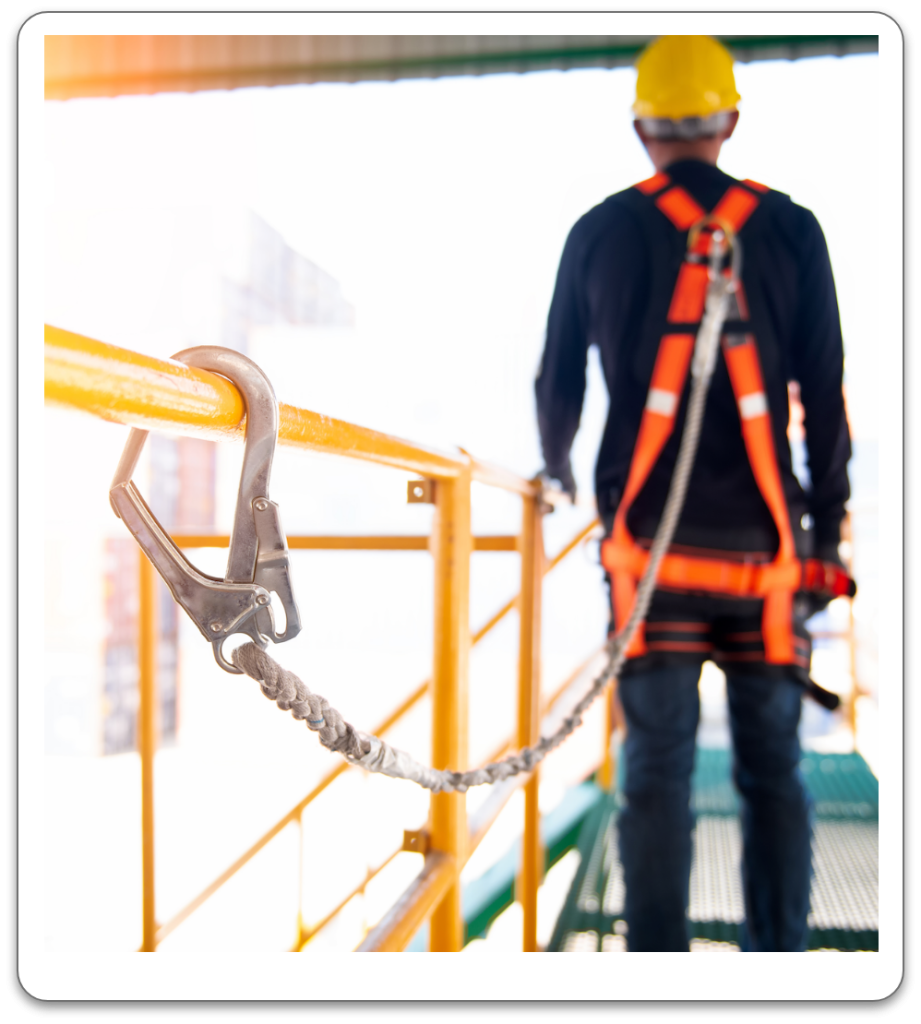
- Figure Out What Your Team Actually Needs
First things first: Don’t just guess what your team knows! Here’s how you can get a clear picture:
– Survey your staff – Ask about their current knowledge and experience with fall protection.
– Do a quick skills check – Watch them use the equipment or take a short quiz.
– Chat with them – Sometimes a casual conversation reveals more than a formal assessment.
If you’re looking for specialized solutions, check out fall protection Philadelphia resources for advice and systems tailored to your region.
Set clear goals:
Once you know where the gaps are, write down what you want everyone to learn. Make sure your goals line up with OSHA rules and your company’s safety policies.
Pro Tip: Revisit your objectives now and then, especially if the rules or your work environment change.
- Create Training That’s Actually Interesting
Nobody wants to sit through a boring slideshow. Here’s how to make your training practical and engaging:
– Use real-life examples – Tell stories about what can go wrong (and how to avoid it).
– Bring in visuals – Think diagrams, short videos, or even quick demos.
– Break it down – Use clear, simple language. Don’t overload people with jargon.
– Keep it interactive – Add hands-on exercises and pop quizzes to keep everyone on their toes.
Tip for trainers: Tailor your materials to your crew. If you have folks who aren’t used to technical terms, keep it simple!
- Demo, Then Let Them Practice
Seeing is believing—and doing is even better. Here’s what works:
– Live demonstrations – Show the right way to inspect, put on, and adjust fall protection gear.
– Hands-on practice – Give everyone a chance to try it for themselves. Supervise and give feedback right away.
– Encourage questions – Make it a safe space for asking anything, even the basics.
Repeat until everyone feels confident. The more your team practices, the more natural it becomes.
- Don’t Just Train Once—Do Regular Refreshers
Even the best training can fade over time. To keep safety top of mind:
– Schedule short, focused refreshers regularly (monthly or quarterly works for many teams).
– Use quick reminders—posters, safety tip emails, toolbox talks, or even short videos.
– Share real-life stories about why the rules matter.
Remind everyone: Safety isn’t a “one and done” thing. It’s an ongoing habit!
- Keep an Eye Out and Offer Support
Training doesn’t end in the classroom. Make sure everyone is following what they’ve learned:
– Do regular safety audits – Check harnesses, anchor points, and procedures.
– Offer resources – Easy-to-find safety manuals, access to refresher training, and a go-to safety contact.
– Encourage open communication – Let your team know it’s okay to speak up about hazards or questions.
When you show you care about safety all the time—not just during training—your crew will, too.
Quick Recap
– Check what your team knows, and set clear goals.
– Make training engaging, practical, and interactive.
– Demonstrate, then let people practice—again and again.
– Schedule regular refreshers to keep safety fresh.
– Monitor compliance and provide ongoing support.
When you make fall protection training a team effort—something everyone’s involved in, not just a checkbox—you’ll build a safer, more confident crew. And that’s a win for everyone!
